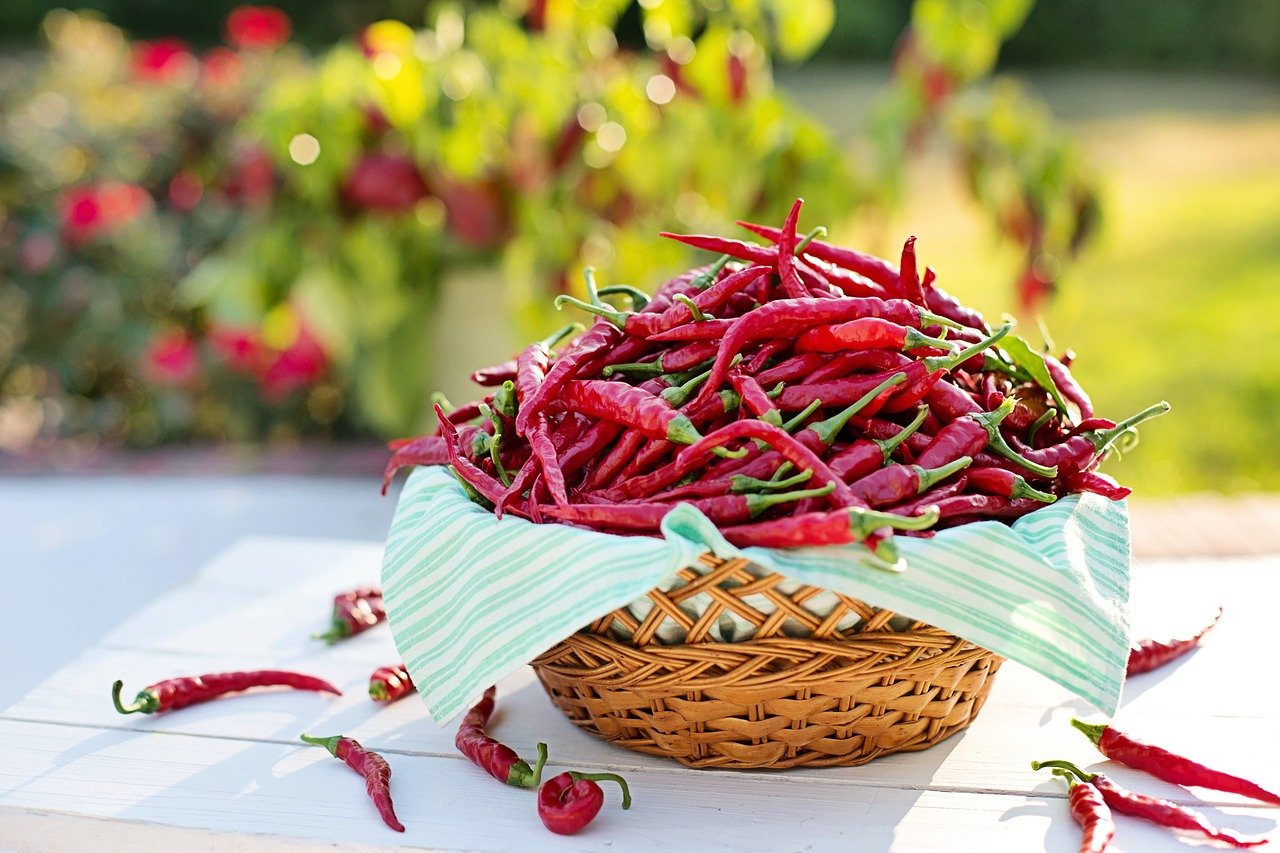
Although erroneously called a type of pepper, cayenne is actual an herb/spice from the Nightshade family, which includes tomatoes, eggplants, and potatoes. Actually, Cayenne is from the Capsicum genus consisting of paprika, bell peppers, and chilies. The significance of Cayenne lies in mineral content. Aside from being high in Vitamin C, Cayenne other active ingredients are capsanthine and capsaicin. Its…
-
-
Herbs & Spices: Stinging Nettle for Small Intestines, Bladder & Lungs (L.) Urtica dioica
PHYLOGENETIC INFORMATION: Phylum: Angiosperm Class: Eudicot Family: Urticaceae Genus: Urtica Species: Urtica dioica Common Names: Nettle, Common Nettle, Nettle Leaf A flowering plant, Urtica dioica, better known as Stinging Nettle (or Nettle), falls within the Urticaceae family, the Urtica genus, and the dioica species. U. dioica consists of 45 genera and 550 species worldwide with only six genera in North…
-
Astragalus for Long-Term Immune Support (L.) A. propinquus / A. membranaceus / A. mongholicus / Phaca membranacea
PHYLOGENETIC INFORMATION: Phylum: Angiosperm Class: Eudicot Family: Fabaceae Genus: Astragalus L. Species: A. propinquus (syn. A. membranaceus), A. mongholicus (syn. Phaca membranacea) Common Names: Astragalus [root], Radix Astragali/Astragali Radix, milk vetch, membranous milk vetch, Chinese milk vetch, Mongolian milk vetch, Bok kay Traditional Chinese Medicine (TCM): Huang qi Astragalus membranaceous is a flowering plant within the vastly popular category of…
-
Black Pepper for Digestion & More… (L.) Piper nigrum
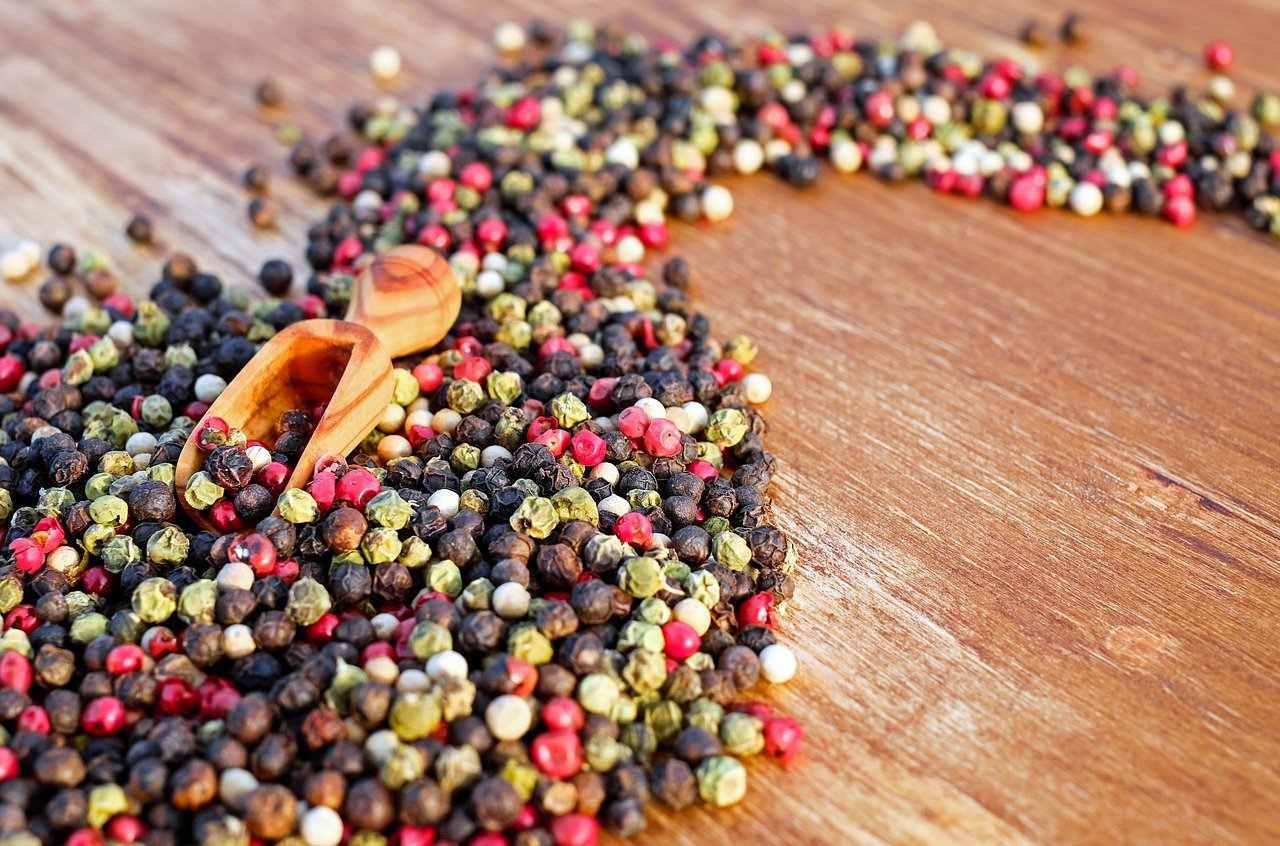
In this herbs and spices spotlight, we’ll explore the popular “king of spices” – black pepper also known as black peppercorn, pepper, and piper. Derived from an Indian name, its “genus name comes from the Latin name from the Greek word peperi” (missouribotanicalgarden.org). Furthermore, “the word pepper comes from the Sanskrit pippali, meaning “berry” (Franklin, 2o19). Per the Healing Spices Handbook by Barbara Grogan…
-
St. John’s Wort for Depression (L.) Hypericum perforatum
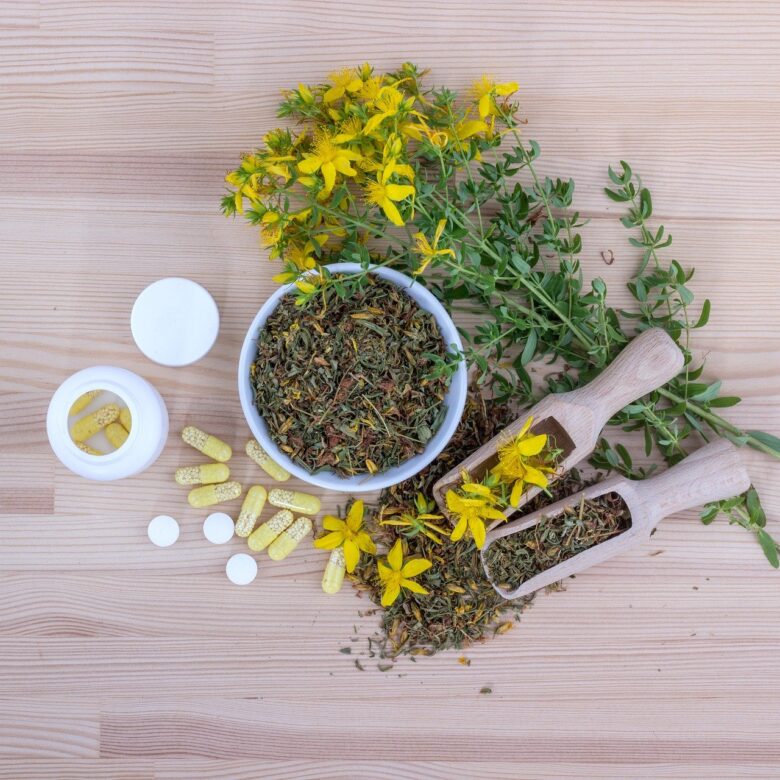
…Useful for people who are in the dark, living a shadow life. It opens the emotional windows and lets the sunlight in.” ~David Winston, Adaptogens (2nd ed.) In this herb spotlight, we will explore the popular herb, St. John’s Wort. Its herbal actions include but are not certainly limited to serving as a nervine, especially since it is trophorestorative to…